Spexi provides on-demand, standardized real-world data to help AI systems learn, adapt, and stay aligned with the physical world.
Capture high-resolution data where your systems operate and deliver it directly into your pipelines for training, validation, and continuous learning.

AI is no longer just text and software. It now powers robots, vehicles, infrastructure, and real-world systems.
These systems must:
See and understand physical environments
React to changing conditions
Make decisions in real time
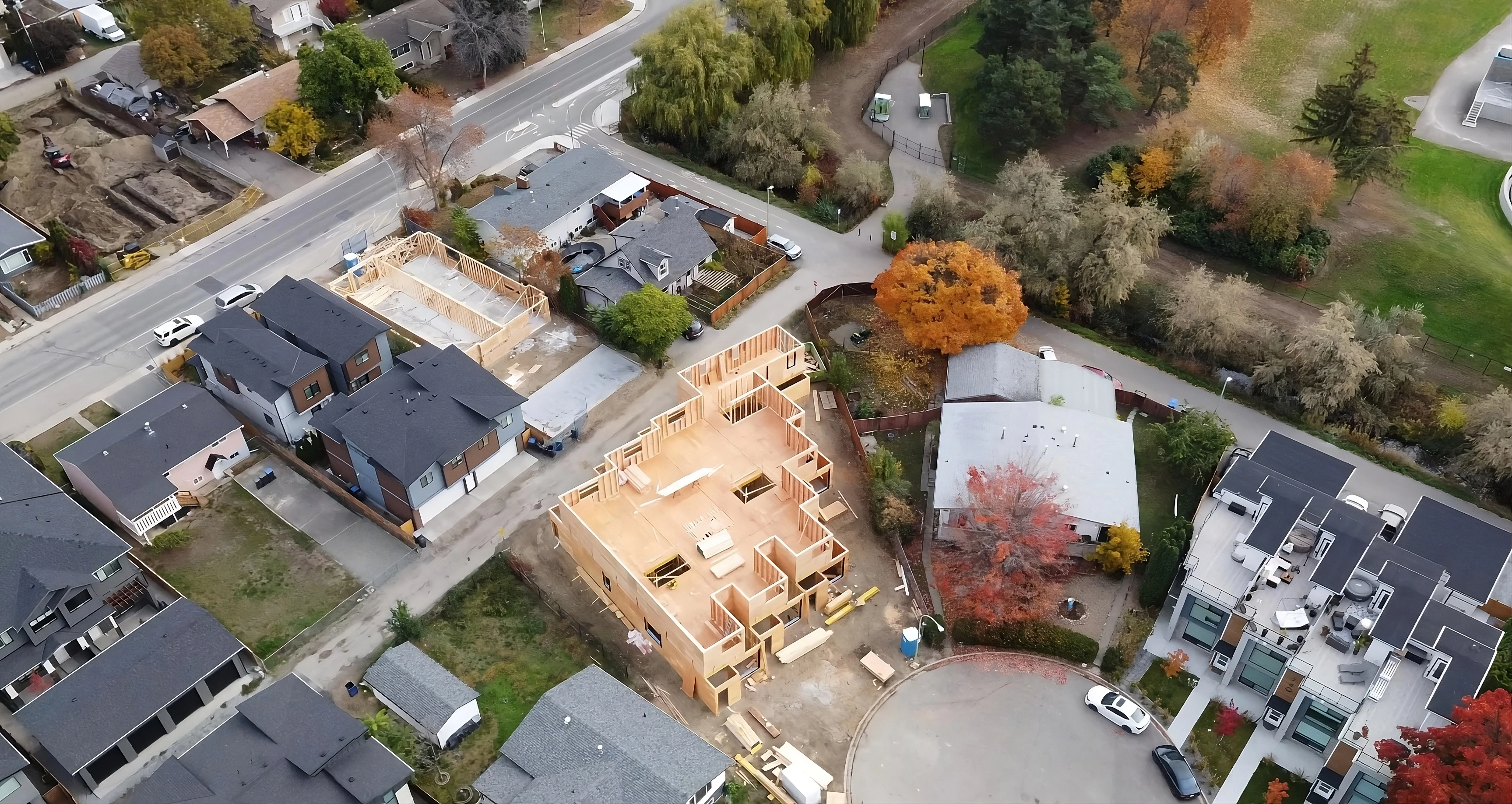

Physical AI systems depend on real-world data, but that data is:
Hard to collect
Expensive to update
Often outdated
Most teams rely on static datasets or simulation, which fall out of sync with reality.
Supporting Insight
Access to real-world data is one of the biggest barriers to building physical AI systems at scale.
Spexi helps carriers capture high-resolution data across affected areas, when and where they need it.
Using a distributed pilot network, teams can:
Static datasets
Captured once, but the world keeps changing
Synthetic data
Useful, but does not fully match real-world conditions
Manual collection
Slow, inconsistent, and hard to scale
.webp)
.webp)
Spexi enables teams to capture real-world data when and where it’s needed, and deliver it as structured datasets for AI systems.
How it works
Request Define where your system needs better data
Capture Spexi collects data through a distributed network
Standardize Data is processed into consistent, usable formats
Integrate Delivered directly into ML and operational pipelines

Update models as environments change

Test models against current conditions

Track how environments evolve over time

Keep virtual models aligned with physical environments
Supports
Robotics and autonomy
Infrastructure monitoring
Construction and development
Insurance and disaster response
Utilities and grid systems